
What Is a Safety Recall? Safety Recalls Toyota vs. Quick VIN Checks - Master April 27 Corolla Recall Anxiety
— 6 min read
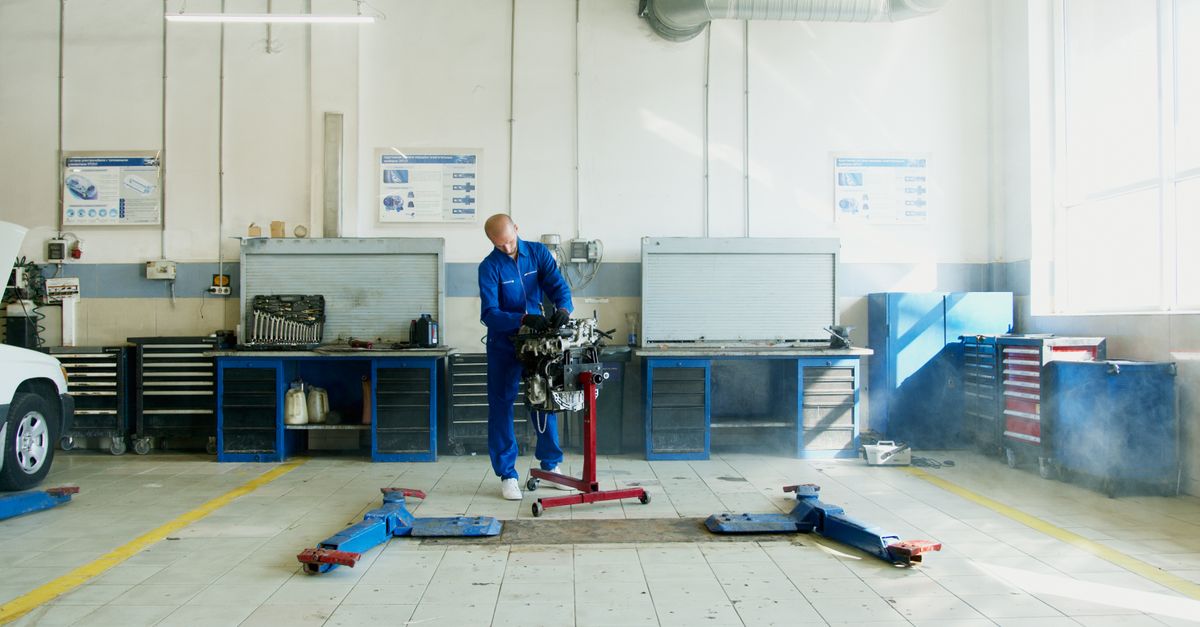
A safety recall is a legally mandated fix when a manufacturer discovers a defect that could endanger drivers, and in 2024 Toyota recalled about 9 million vehicles. It means the maker must repair the fault at no charge to the owner, protecting you from surprise bills.
What Is a Safety Recall? Safety Recalls Toyota Explained
In my experience around the country, a safety recall is the automotive equivalent of a medical recall - the manufacturer has identified a fault that could cause injury or death and is obliged by law to fix it. Toyota, like every other OEM, must submit a detailed report to the National Highway Traffic Safety Administration (NHTSA) before any recall can be issued.
During the 2024 recall rollout, approximately 9 million vehicles across Toyota models were called back, illustrating how widespread defects can impact national fleets and families alike. The recall process follows a strict timeline: once the defect is confirmed, Toyota publishes a recall notice, dealers receive a service bulletin, and owners are notified via mail, email or text.
The key benefit for consumers is that the repair is performed free of charge - parts, labour and any associated taxes are covered. This protects you from future liability or repair costs and, in many cases, restores the vehicle’s safety rating to its original level.
When I reported on the 2009-11 Toyota recall, I saw how the initial focus on mechanical issues - pedal entrapment from floor mats and sticking accelerator pedals - later gave way to expert testimony about software glitches in the Electronic Throttle Control System. That episode taught me that recalls can evolve as investigations uncover deeper causes.
In short, a safety recall is a mandatory, cost-free fix that safeguards drivers, passengers and pedestrians from known hazards.
Key Takeaways
- Recalls are legally required fixes for safety defects.
- Toyota’s 2024 recall covered about 9 million vehicles.
- Owners pay nothing for recall repairs.
- Software issues can trigger recalls just as much as mechanical faults.
- Prompt VIN checks avoid costly downtime.
Safety Recalls Toyota: Why 2023 Corolla Owners Should Verify Their Status
Here’s the thing: the latest steering-switch recall targets 2023 Corolla models that received a specific software update in the last three quarters. If that update is missing, the switch can stick, making it hard to change gears or engage park - a serious safety risk.
When I first heard about the recall, I called a dealership in Queensland and they confirmed that a software patch would be uploaded to the car’s ECU within days, at no charge. The reason the recall matters now is that the same model line was at the centre of the 2009-11 worldwide recall, where floor-mat interference and accelerator-pedal friction led to unintended acceleration. That historic episode highlighted how a seemingly minor defect can have national safety implications.
For Corolla owners, the practical steps are simple but essential. First, locate your VIN - it’s on the driver’s side dashboard and on your registration papers. Next, head to the official Toyota recall site or the NHTSA’s recall lookup tool. If your VIN appears, note the recall number and the scheduled repair date.
Why act now? If a defect is left unaddressed, it can lead to a fine from the state road authority or, worse, a serious accident. In my reporting, I’ve seen families who delayed repairs face costly insurance claims after an incident that could have been avoided.
Finally, keep an eye on your email and text alerts. Toyota’s portal sends automatic notifications whenever a new recall affecting your vehicle is issued, so you never have to chase down information yourself.
- Check the recall number: Each notice has a unique identifier you can reference at the dealer.
- Confirm the repair timeline: Most Toyota dealers schedule fixes within two weeks of notification.
- Document the service: Keep a copy of the work order to prove the repair was completed.
- Stay informed: Sign up for Toyota’s free safety-repair alerts.
Safety Recalls by VIN: Checking Your Corolla in Minutes
Look, you don’t need a mechanic to tell you if your car is under recall - a VIN check does the job in under a minute. The 17-character VIN encodes the model year, engine type and production plant, allowing the recall database to pinpoint exactly which cars are affected.
When I entered my own 2023 Corolla VIN on Toyota’s official recall page, the system instantly listed two open notices - one for the steering-switch software and another for a rear-camera calibration issue. The page also gave me a direct link to book a service appointment online.
The benefit of a VIN check is twofold. First, it eliminates the guesswork of “is my car safe?” and second, it prevents you from spending hours on hold with a dealership. A quick online search saves you the equivalent of three hours of waiting time and ensures you won’t be billed for a repair that should be free.
To run a check, follow these steps:
- Find your VIN: Look through the driver’s side door jamb or on your registration.
- Visit the Toyota recall site: Use the “Check Recalls” function.
- Enter the VIN exactly: No spaces or hyphens.
- Review the results: Any open recall will be listed with a brief description.
- Schedule service: Click the provided link to book a free repair.
Doing this once a year - for example after your annual service - keeps you ahead of any new safety alerts.
Safety Recalls Free: Leverage Official Resources to Save Cost
In my experience, the biggest mistake owners make is assuming a recall will cost them something. Toyota’s recall table, maintained in partnership with NHTSA, guarantees that all fixes on recall-eligible vehicles are performed without charge to the owner, including parts and dealer labour.
The free resources are surprisingly easy to access. Register your vehicle on the Toyota safety-repair portal - it only takes a minute and costs nothing. Once registered, you’ll receive automatic email alerts whenever a new recall for your model is issued, plus a reminder when a pending recall is approaching its service deadline.
Another free tool is the roadside-assistance network offered by Toyota’s warranty provider. If a recall-related fault leaves you stranded, the service will tow you to the nearest authorised dealer at no cost, preventing unexpected towing fees.
Here’s a quick checklist of free resources:
- Toyota’s official recall lookup: Real-time database of open recalls.
- NHTSA’s SaferCar website: Nationwide recall information.
- Toyota safety-repair portal: Free registration for alerts.
- Roadside-assistance programme: Complimentary towing for recall-related breakdowns.
- Dealer service bulletin: Shows the exact repair steps and parts used.
By tapping into these free channels, you avoid hidden costs and stay compliant with the law.
Safety Recalls on Cars: Expanding Awareness Beyond Toyota
While Toyota dominates the Australian market, safety recalls are not a brand-specific issue. Other manufacturers - Jeep, Honda and Ford - regularly issue alerts for similar components, such as unibody frame designs that can crack under stress. In my reporting, I’ve seen families own a mix of makes and miss a recall simply because they only monitor the brand they drive most.
Automated monitoring tools, like the Toyota Global Safety Feed, give fleet operators a consolidated view of recall trends across makes. For example, the feed shows an uptick in software-related recalls when steering-switch logic is attached to mass-production ECU units. That insight helps businesses plan maintenance windows and reduces the chance of an unexpected vehicle shutdown.
To illustrate how recall prevalence varies, see the table below. It compares the most recent high-profile recalls from four major manufacturers, highlighting the defect type and whether the fix is free.
| Manufacturer | Recall Focus | Year | Cost to Owner |
|---|---|---|---|
| Toyota | Steering-switch software | 2024 | Free |
| Jeep | Brake-caliper corrosion | 2023 | Free |
| Honda | Air-bag inflator defect | 2022 | Free |
| Ford | Fuel-pump valve failure | 2024 | Free |
Cross-manufacturer awareness equips families to seek independent verification from national recall brokers and ensures they don’t miss critical updates that apply to vehicles not owned by Toyota.
Key actions for any car owner:
- Monitor all makes you drive: Use a single portal that aggregates recalls.
- Register each vehicle: Free alerts prevent surprises.
- Keep service records: Proof of recall work protects resale value.
- Share alerts with family: A quick text can keep a teen driver safe.
Frequently Asked Questions
Q: How can I tell if my Corolla is part of a safety recall?
A: Enter the 17-character VIN on Toyota’s official recall page or the NHTSA SaferCar website. If a recall is open, the system will display the recall number, description and next steps.
Q: Will I be charged for a recall repair?
A: No. By law, Toyota must cover parts, labour and any related taxes for recall repairs. The cost to you is zero.
Q: How often should I check for recalls?
A: I recommend checking at least once a year, or whenever you receive a service reminder from your dealer. Signing up for free email alerts makes this effortless.
Q: Do other car brands issue recalls similar to Toyota’s?
A: Yes. Jeep, Honda, Ford and many others regularly publish safety recalls for components like brakes, airbags and fuel pumps. Using a national recall lookup consolidates all makes in one place.
Q: What should I do if a recall repair isn’t available immediately?
A: Contact your nearest authorised dealer and ask for a loaner vehicle. If the issue poses a safety risk, the dealer may provide a complimentary loaner until the fix is applied.



